Have a happy and safe Christmas
Trigger warning: this article discusses injury risk and hazards to health
As the festive season approaches, many families begin the joyful task of selecting gifts for their loved ones. Whilst many fun and exciting toys are shared throughout the holidays, some products on the market might not be considered safe or appropriate for all ages or abilities. In fact, some popular items may pose unforeseen risks to young children, particularly those with disability or additional support needs.
This guide outlines some key categories of toys and products you might want to consider avoiding this Christmas, with practical alternatives and safety tips to help ensure a joyful and injury free holiday.
- Toys with Small Parts: Choking Hazards
If your family member or participant may be at risk of choking hazards, toys containing detachable components, beads, or miniature accessories can present significant choking risks, especially for children under the age of three. Even older children may be at risk if younger siblings are present in the home.
What you should avoid: Building sets, small figurines, and toys with loose or breakable parts.
Recommended: Age and ability appropriate toys with large, securely attached components and clear safety labelling.
- Button Battery-Powered Toys
Button batteries are commonly found in musical books, light-up toys, and novelty gadgets. While these toys can be educational and fun for some, if swallowed, these batteries can cause internal injury within hours, requiring emergency medical intervention.
What you should avoid: Toys with unsecured battery compartments or poorly labelled packaging.
Recommended: Battery-free toys or products with sealed, child-resistant battery compartments.
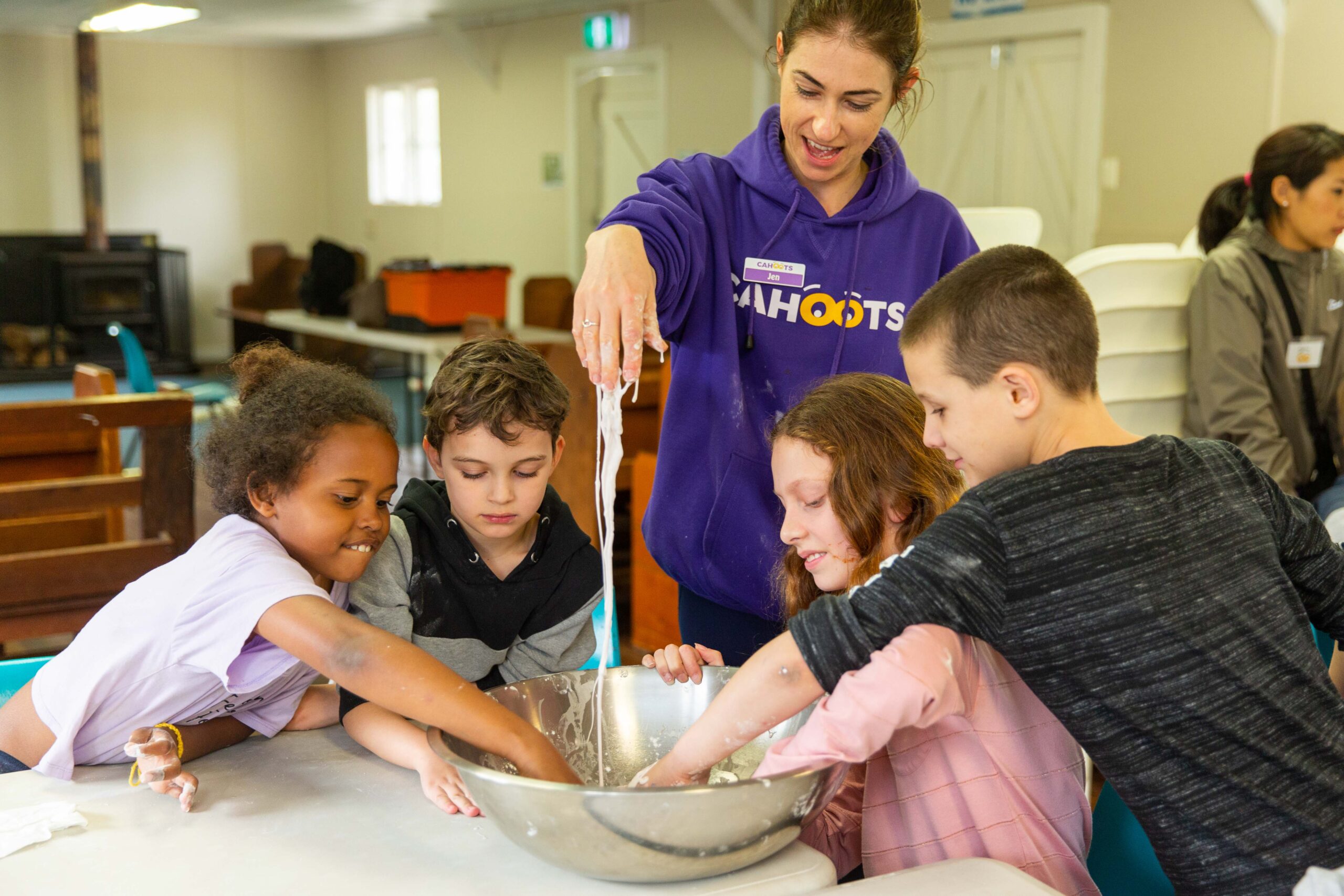
- Mouldable Materials (e.g., Magic Sand, Slime)
While sensory materials like magic sand and slime are popular, some may contain chemical additives, dyes, or microplastics that are harmful if ingested or cause skin irritation. These products also pose a choking hazard if broken into small pieces.
What you should avoid: Unregulated or imported sensory products without safety certification.
Recommended: Certified non-toxic play dough or sensory kits designed for specific age groups and/or abilities.
- Projectile Toys
Toys that launch projectiles such as dart guns, slingshots, or flying discs can lead to eye injuries, destructive play, and household damage. Although an exciting gift, these toys often lack protective gear and may encourage unsafe behaviour.
What you should avoid: Toys with high velocity launch mechanisms or sharp projectiles.
Recommended: Cooperative board games, creative kits, or sports equipment with appropriate safety features.
- Poorly Constructed Plush Toys
Stuffed animals with button eyes, beads, or loose stitching can shed parts that become choking hazards. Stuffed teddies and plush animals are often a go to for Christmas gifts, but some may also contain flammable or allergenic stuffing materials. So it’s best to always choose high quality items where you can.
What you should avoid: Plush toys with detachable features or poor-quality stitching.
Recommended: Soft toys with embroidered features, reinforced seams, and machine-washable materials.
- Unregulated Toys
Unfortunately, some counterfeit imports may not meet Australian safety standards. These toys often lack proper labelling, contain toxic materials, or have sharp edges and unsecured parts. Where you can, try to shop Australian own and made for piece of mind.
What you should avoid: Products without AS/NZS safety certification or from unknown brands.
Recommended: Toys from reputable retailers with clear safety compliance and age recommendations.
Supporting Safe Play Through Inclusive Programs
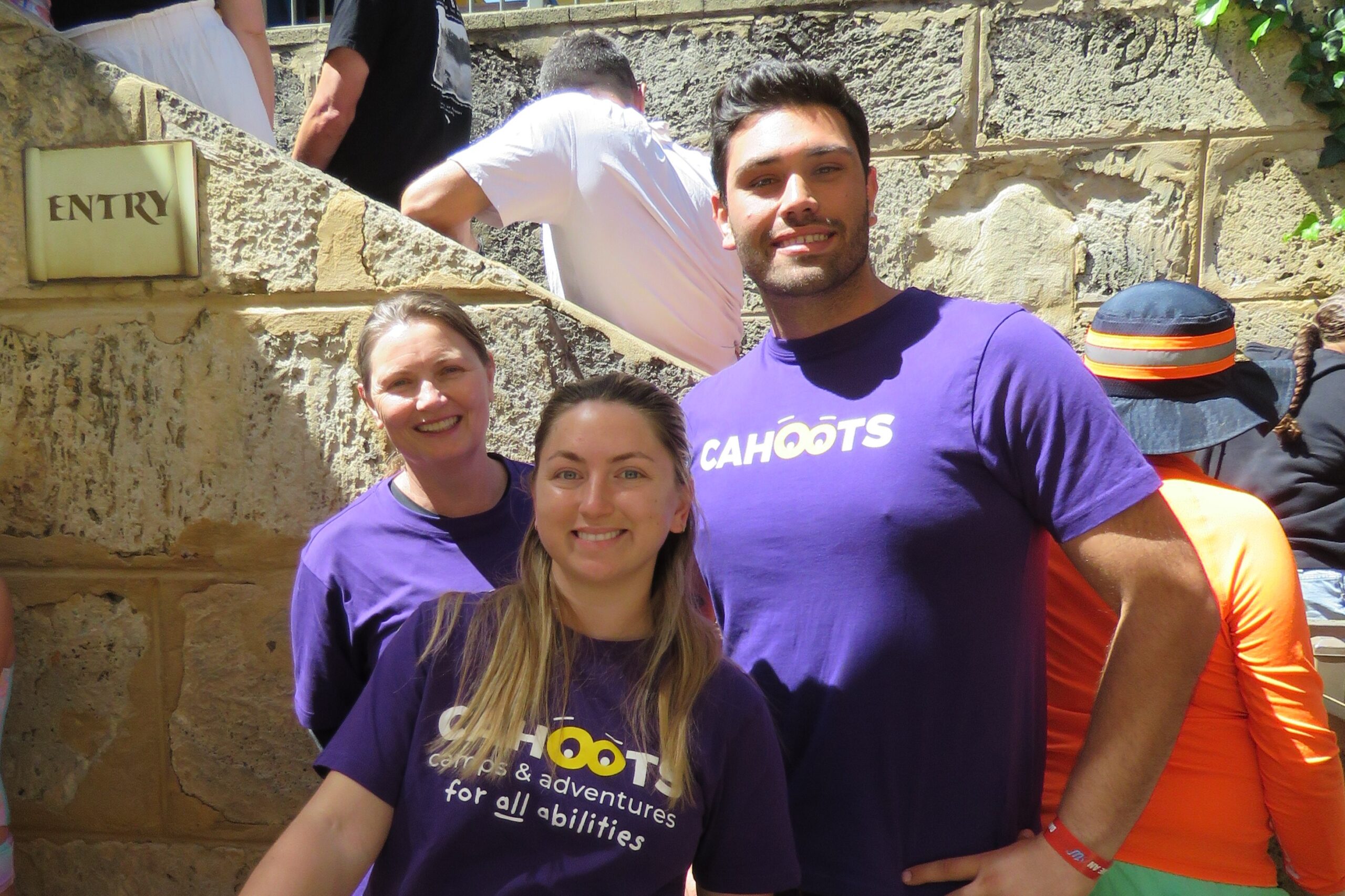
Organizations like Cahoots, based in Western Australia, play a vital role in promoting safe and inclusive play environments. Through our camps and programs for children of all abilities, Cahoots ensures that all activities are designed with safety, dignity, and developmental appropriateness in mind.
Volunteers at Cahoots receive comprehensive training in restrictive practice awareness, safeguarding principles, and positive behaviour support ensuring that every child is cared for in a respectful and empowering way.
Prioritize Safety, Not Just Excitement
When selecting gifts this Christmas, consider not only the excitement a toy may bring but also its safety, suitability, and long-term value. By avoiding high risk items and choosing thoughtfully, families can create a festive season filled with joy, connection, and peace of mind.
For more guidance on inclusive care and safe play environments, explore the programs offered by Cahoots and similar organizations committed to ethical practice and child wellbeing.
While all these safety tips are a great starting point, please note that this article is intended as a general guide and should not be interpreted as legal or safety advice. It is not a compliance checklist, nor should it replace professional judgement or individual assessment. We do not endorse or criticize any specific toy brands mentioned or implied, and any references are purely illustrative.
Ultimately, parents and carers are best placed to make informed decisions based on their child or participant’s unique needs, abilities, and circumstances—what may be unsuitable for one child could be perfectly safe and beneficial for another.